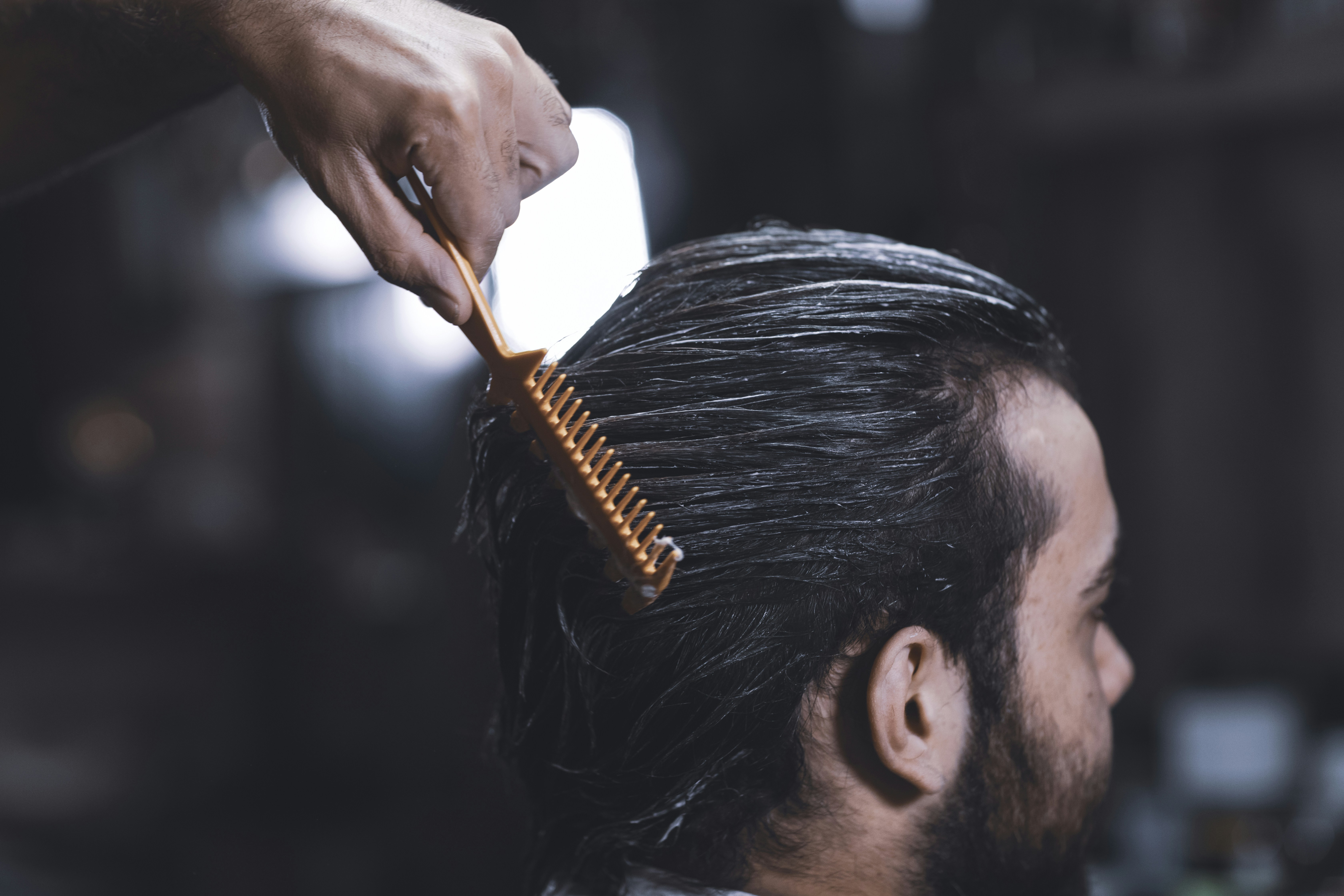
Understanding Hair Loss: The Root Causes
Hair loss is a common issue that affects individuals of all ages and backgrounds. Understanding the root causes of hair loss is crucial in addressing this condition effectively. One of the primary factors contributing to hair thinning is genetics. Certain genetic traits can predispose individuals to male or female pattern baldness, which is characterized by gradual thinning of hair over time. This hereditary factor plays a significant role, dictating the age of onset and degree of hair loss.
Hormonal changes also significantly influence hair health. Conditions such as pregnancy, menopause, and hormonal imbalances can lead to increased shedding and a decrease in hair density. The hormone dihydrotestosterone (DHT), a derivative of testosterone, is particularly notorious for contributing to hair follicle shrinkage, which can result in noticeable hair loss.
Nutritional deficiencies are another important aspect to consider. A lack of essential nutrients, such as vitamins A, D, E, iron, and protein, can drastically affect hair growth. These nutrients are vital for maintaining the health of hair follicles and ensuring proper hair production. Poor diet, combined with high-stress levels, can create an environment conducive to hair loss.
Stress is often overlooked, but its impact on hair regrowth is substantial. Psychological stress can trigger hair loss by pushing hair follicles into a dormant phase, causing shedding and preventing new hair from growing. Moreover, environmental factors such as pollution, harsh weather conditions, and exposure to chemicals can adversely affect the condition of hair, leading to brittleness and increased loss.
By recognizing these root causes of hair loss, individuals can take informed steps toward effective regrowth strategies. Understanding how genetics, hormonal changes, nutritional deficiencies, stress, and environmental factors contribute to thinning hair sets the stage for solutions that promote healthier, fuller locks.
Starting the Journey: Initial Steps to Combat Hair Loss
Noticing hair loss can be a distressing experience; however, it is crucial to approach the situation methodically to address it effectively. The initial step in this journey should involve consulting with a qualified dermatologist or trichologist. These professionals specialize in hair and scalp health and can provide an accurate diagnosis of the type of hair loss one is experiencing. Conditions such as androgenetic alopecia, commonly known as male or female pattern baldness, and telogen effluvium, which is often triggered by stress or hormonal changes, are among the most prevalent types of hair loss. Understanding the underlying cause is essential for determining the most appropriate treatment.
Once an assessment has been made, individuals can initiate lifestyle changes designed to promote healthy hair regrowth. A balanced diet rich in vitamins and minerals is fundamental; nutrients such as biotin, zinc, and omega-3 fatty acids play significant roles in hair health. Incorporating these through food sources like nuts, fish, and leafy greens can enhance overall well-being and address nutrient deficiencies that may contribute to hair loss.
Additionally, considering supplements is an option for those struggling to achieve adequate nutrition solely through their diet. Hair growth supplements formulated with essential vitamins can offer support for rejuvenating hair follicles.
Stress management is another critical element often overlooked in combating hair loss. Practices such as yoga, meditation, and regular physical activity can significantly reduce stress levels in everyday life, preventing further hair thinning associated with increased cortisol levels.
Starting the hair regrowth journey requires a good understanding of one’s unique situation, comprehensive lifestyle changes, and professional guidance. By taking these initial steps, individuals can pave the way for healthier, more robust hair in the future.
Effective Treatments and Solutions for Hair Regrowth
Hair loss can be a distressing condition, prompting many to seek effective treatments for regrowth. Numerous options are available, ranging from over-the-counter products to advanced medical procedures. One of the most widely recognized topical treatments is minoxidil, commonly known by its brand name Rogaine. This solution is FDA-approved for both men and women and works by stimulating hair follicles, leading to increased hair regrowth over time. Users typically start to notice results within four to six months of consistent application, although individual experiences may vary.
Beyond topical treatments, prescription medications such as finasteride (Propecia) are also utilized, particularly in men. This oral medication functions by blocking the conversion of testosterone into a more potent androgen, thereby reducing hair loss. Clinical studies indicate that finasteride can lead to a significant increase in hair count after several months of treatment. However, potential side effects, including erectile dysfunction and decreased libido, may dissuade some individuals from this option.
For those seeking natural remedies, substances like saw palmetto and essential oils (like rosemary and peppermint) have gained attention for their potential to promote hair health. While scientific evidence supporting these treatments remains limited, anecdotal reports suggest positive outcomes for some individuals. Additionally, advanced techniques such as laser therapy utilize low-level laser light to stimulate hair follicles, potentially improving density over time with regular sessions.
Hair transplant procedures represent a more invasive but effective alternative, particularly for individuals experiencing significant hair loss. This method involves relocating hair follicles from areas of thick hair to balding patches, resulting in a natural appearance. While promising, the procedure requires careful consideration due to its cost, recovery time, and the expertise of the practitioner.
Maintaining Healthy Hair: Regrowth to Longevity
Achieving hair regrowth is a commendable journey that many embark upon; however, maintaining those results is equally crucial. A consistent hair care routine is fundamental for sustaining healthy hair and ensuring the longevity of regrowth. Start by selecting high-quality hair care products that suit your hair type and address any specific needs, such as additional moisture, strength, or volume. Regular washing, conditioning, and the occasional deep conditioning treatment will support your hair’s health and vibrancy.
Nutrition plays a significant role in the appearance and strength of your hair. A balanced diet rich in vitamins and minerals aids in sustaining healthy hair. Essential nutrients include biotin, zinc, iron, and vitamins A, C, D, and E. Foods such as leafy greens, nuts, seeds, fish, and fruits should be staples in your diet. Staying hydrated is also crucial, as water helps maintain optimal scalp health and reduces the risk of dryness and brittleness.
In addition to a consistent hair care routine and a nutritious diet, preventive measures are vital for avoiding future hair loss. This includes managing stress levels, as stress can significantly impact hair health. Techniques such as yoga, meditation, or engaging in hobbies can be beneficial in this regard. Regular scalp massages can also stimulate blood flow, promoting better hair growth.
Inspiration can be found in the success stories of individuals who transformed their hair through dedication and appropriate strategies. Many have experienced remarkable results by adhering diligently to their customized hair care regimens and making conscious lifestyle adjustments. These narratives serve as a reminder that with perseverance, maintaining healthy hair is not only achievable but can also lead to continued and lasting improvement.